Puppy School · Full-day puppy training in Hastings & St Leonards

A month that shapes the rest of their life

Four weeks of trainer-led training and structured socialisation, boarding with us — we introduce your puppy to the world so they grow up confident, settled and easy to live with. For puppies aged 12–16 weeks, from their second vaccinations.

  • Full days with our trainers — we do the hard work
  • Socialised with all breeds, shapes and sizes
  • Boards with us — settling without you, learned early

Start as early as it’s safe

A window that won’t come back

The best time to train a puppy is as soon as it’s safe to start — right from the get-go. Those early weeks are a one-time developmental window: a blank canvas, when your puppy soaks up the world faster than they ever will again.

The longer training is delayed, the harder it becomes to break old habits. Starting from your puppy’s second set of vaccinations gives them the best possible chance of growing into a confident, well-behaved dog — and a month of expert work now saves you months of correction later.

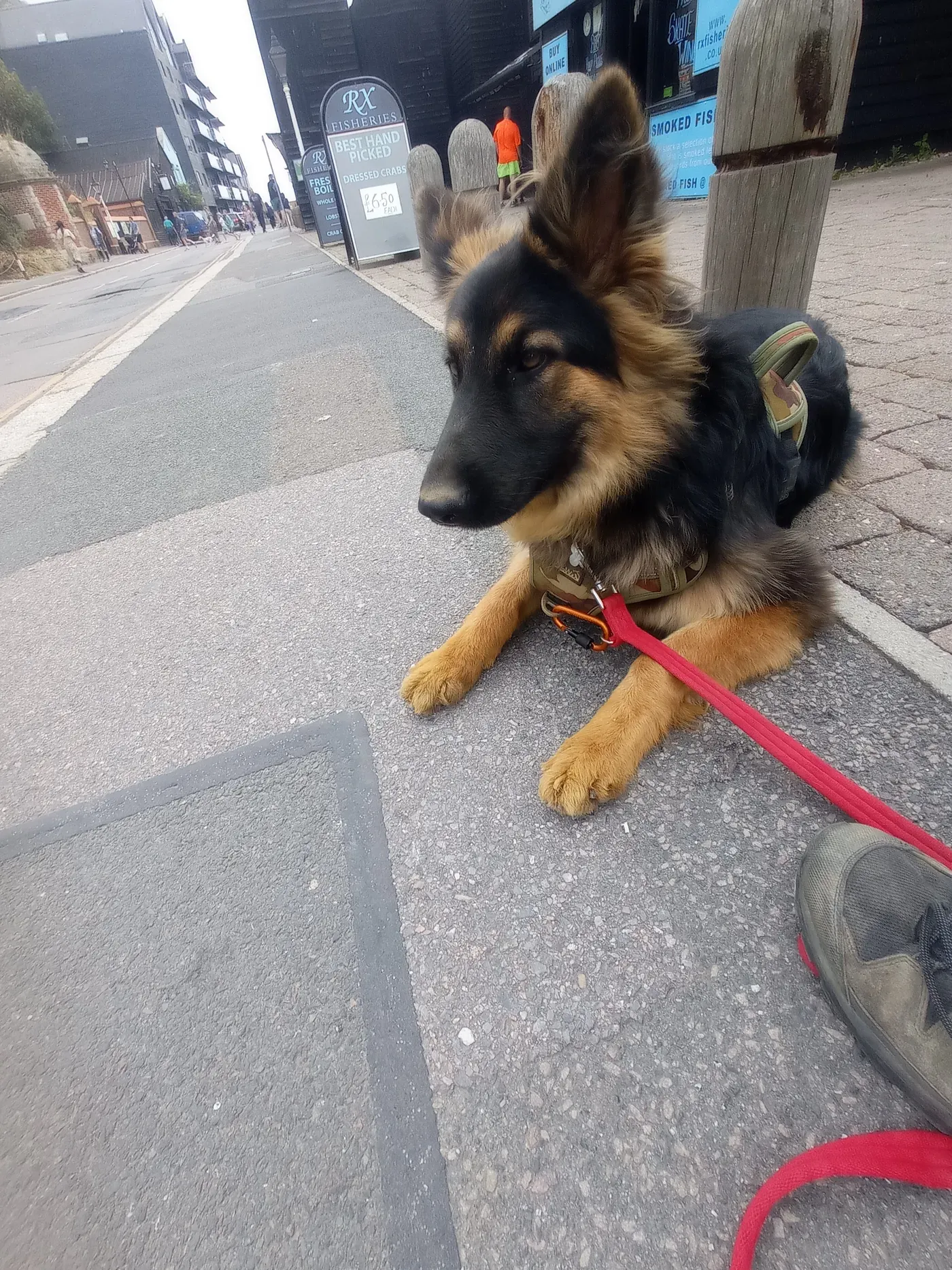
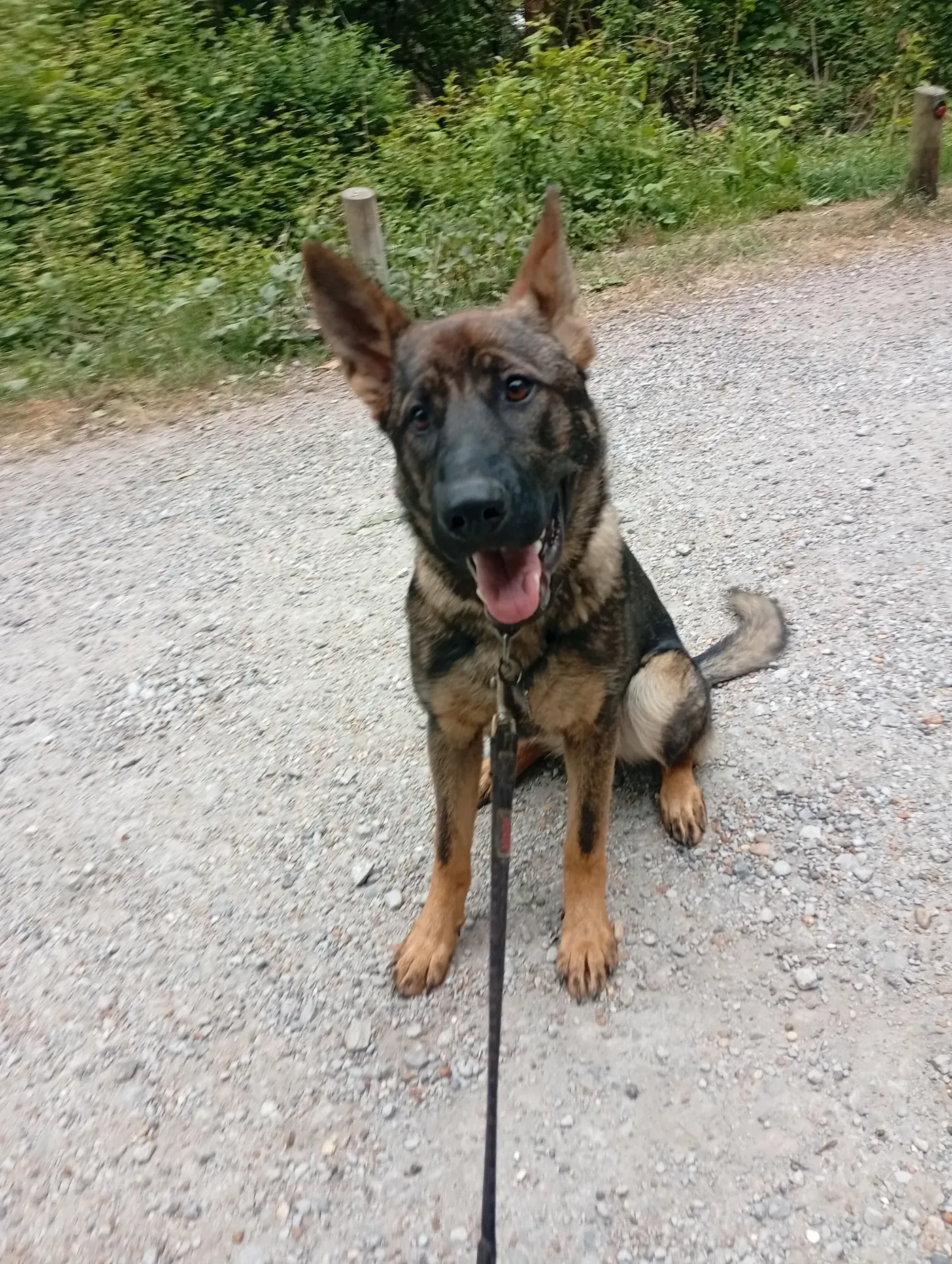
Tilly, a young shepherd puppy, settling calmly by the seafront
A blank canvas — let’s make it count

In short

What is Puppy School, and what happens in the four-week course?

Puppy School is our four-week puppy training course for puppies 12–16 weeks old, at our licensed countryside base near Hastings (Hastings Borough Council licence WK/202503477). Your puppy boards with us and spends their days with our trainers. Puppies travelling to us from London and beyond board for the whole four weeks; families local to Hastings can keep it flexible — home each evening, home at weekends, or boarding right through. It costs £1,200 for the four weeks. Each day alternates time on and time off: a calm arrival, settling before anything else, structured play with carefully chosen dogs of all sizes, proper rest, then something new — a surface, a sound, a face. Real-world outings are part of the lesson: towns, cafés, transport and busy parks. Boarding is deliberate too: a puppy who learns early to settle without you rarely develops separation anxiety later. The four weeks end with a handover, so the training holds once your puppy is home.

Two ways to do it

How it works depends on where you are

The training is the same either way. What changes is the boarding — so find yourself below, and read only that column.

Boarding optional

Local to Hastings

Boarding is available but optional — the arrangement stays flexible.

You are close enough to drop off and collect, so we fit the four weeks around your family. Most local puppies do a mix over the course — and you can change your mind partway through.

Choose whichever suits you

  • Home with you each evening
  • With us during the week, home at weekends
  • Boarding with us for the full four weeks
Enquire as a local family

Boarding included

Travelling to us from London and beyond

Puppies travelling to us board with us for the four-week course.

Your puppy stays with us for the course, so the travelling is done once rather than twice a day. We collect and drop off door to door, and you get daily reports so you can see how they are getting on.

Your options

  • Home at weekends, if you would prefer that
  • With us right through until the course ends
Ask about collection

Not sure which you are, or somewhere in between? Tell us where you’re coming from when you enquire and we’ll work it out with you — it’s a common question and there’s no wrong answer.

The line we won’t cross

Pain-free dog training — and exactly what that rules out

We are pain-free dog trainers. Nothing we put on your dog, and nothing we do with your dog, is designed to work by hurting them — no choke chain, no prong collar, no electric collar, not on the toughest case, not on the worst day.

  • We never use: Choke chains

    A sliding metal loop that tightens around your dog’s neck whenever the lead goes tight, and only loosens when the pressure comes off. Repeated use can damage the windpipe, and a sudden jerk can strain the neck or spine.

  • We never use: Prong collars

    Metal links with inward-facing points that press into the skin around your dog’s neck every time the lead tightens. Repeated use can bruise, break the skin and damage the nerves underneath.

  • We never use: Electric collars (e-collars, shock collars)

    Contact points on your dog’s neck that deliver an electric shock by remote control. Even on “low”, it works by being unpleasant enough to stop the dog — who may link that to whatever they were looking at, often the other dog.

What we use instead

Positive reinforcement dog training, applied properly — and it works on the hard cases too, not only the easy ones.

Read what choke chains, prong collars and e-collars actually do to a dog →

  • Positive reinforcement. We pay for the behaviour we want with food your dog will actually work for, plus toys and play — so they learn what to do, not only what to avoid.
  • Work kept below your dog’s threshold. We set the distance and duration your dog can cope with, then close the gap as they steady, rather than correcting them for not coping.
  • Counter-conditioning. We change how your dog feels about the thing they react to, rather than suppressing the reaction and leaving the feeling underneath. On our training programmes that work happens where the problem does: the high street, cafés, traffic, the seafront.
  • Ordinary, well-fitted kit. A well-fitted harness, a non-retractable lead, a collar with an ID tag — ordinary kit, nothing corrective. Your programme’s own kit list is the one to pack from.

Why we say pain-free, not force-free: a lead, a collar, a harness, a muzzle where safety requires one, a nail trim, grooming restraints, a bathing noose, holding a dog steady in a busy street — every one of those applies a degree of force, and not one of them is there to cause pain. Force-free isn’t a promise any trainer can honestly keep. Pain-free is.

More than sit and stay
Not just obedience — a proper education

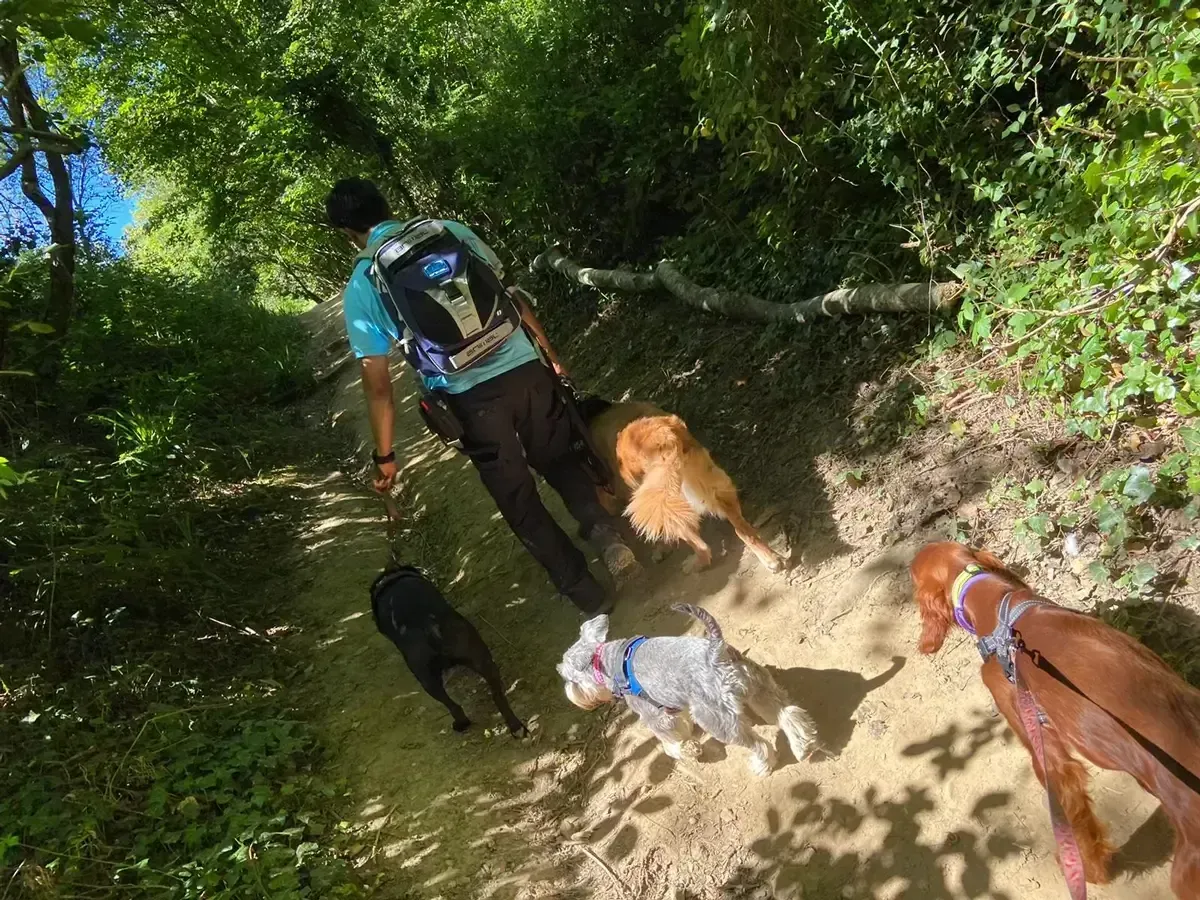
Basic obedience and a bit of socialising in the park are a good start. Comprehensive puppy training is something more: a professional introducing your puppy to the world from an expert’s point of view — carefully, at the right pace, all day long.

A Fairy Tails trainer walking a dog on a loose lead through the countryside
Led by trainers, every step

We read the room

Our trainers read your puppy’s body language all day — knowing when to gently push and when to give space, so every new experience builds confidence instead of fear.

The right pace, all day

Socialisation happens at a pace that suits your puppy, with structured time on and time off, so they cope, settle and grow — never over-faced, never overtired.

Consistency you can’t fake at home

The same trainers, the same rules, every hour of every day. That steady repetition is what actually makes training stick — and it’s hard to reproduce around family life.

We do the heavy lifting

This is the real difference from a weekly class: in classes we teach you and you put in the work at home. Here your puppy spends full days with us and we do the training for you.

Prefer to do the training yourself? Our group puppy classes teach you how, for £175 — you put in the homework. This page is for owners who’d rather we did the hard work, full-time.

Managed socialisation

Confidence is built in rhythm

Good socialisation is never a free-for-all. We introduce your puppy to different breeds, sizes and playmates in short, structured bursts — time on — followed by proper rest — time off — so they learn to cope, settle, and come back for more. Here’s the rhythm of a session.

  1. Time on

    Arrive & tune in

    A calm hello and a good sniff. We read your puppy’s mood before anything else begins.

  2. Time off

    Settle first

    Before any fun, a moment of quiet. A puppy that can settle is a puppy that can learn.

  3. Time on

    The right introductions

    Structured play with carefully chosen friends — different breeds, sizes and temperaments, always supervised.

  4. Time off

    Rest & reset

    Down-time in their own space. This is where confidence actually sets in — short bursts, then proper recovery.

  5. Time on

    A taste of the world

    A little training and a new experience woven in — a new surface, a new sound, a new face.

  6. Time off

    Wind down

    Brains full, tails wagging. They settle for the evening tired in the best way, ready to do it all again tomorrow.

Why the rest matters as much as the play: a puppy learns to be confident when it’s never over-faced and never overtired. The “time off” is where the growing actually happens — it’s the part most owners skip, and the part we build in.
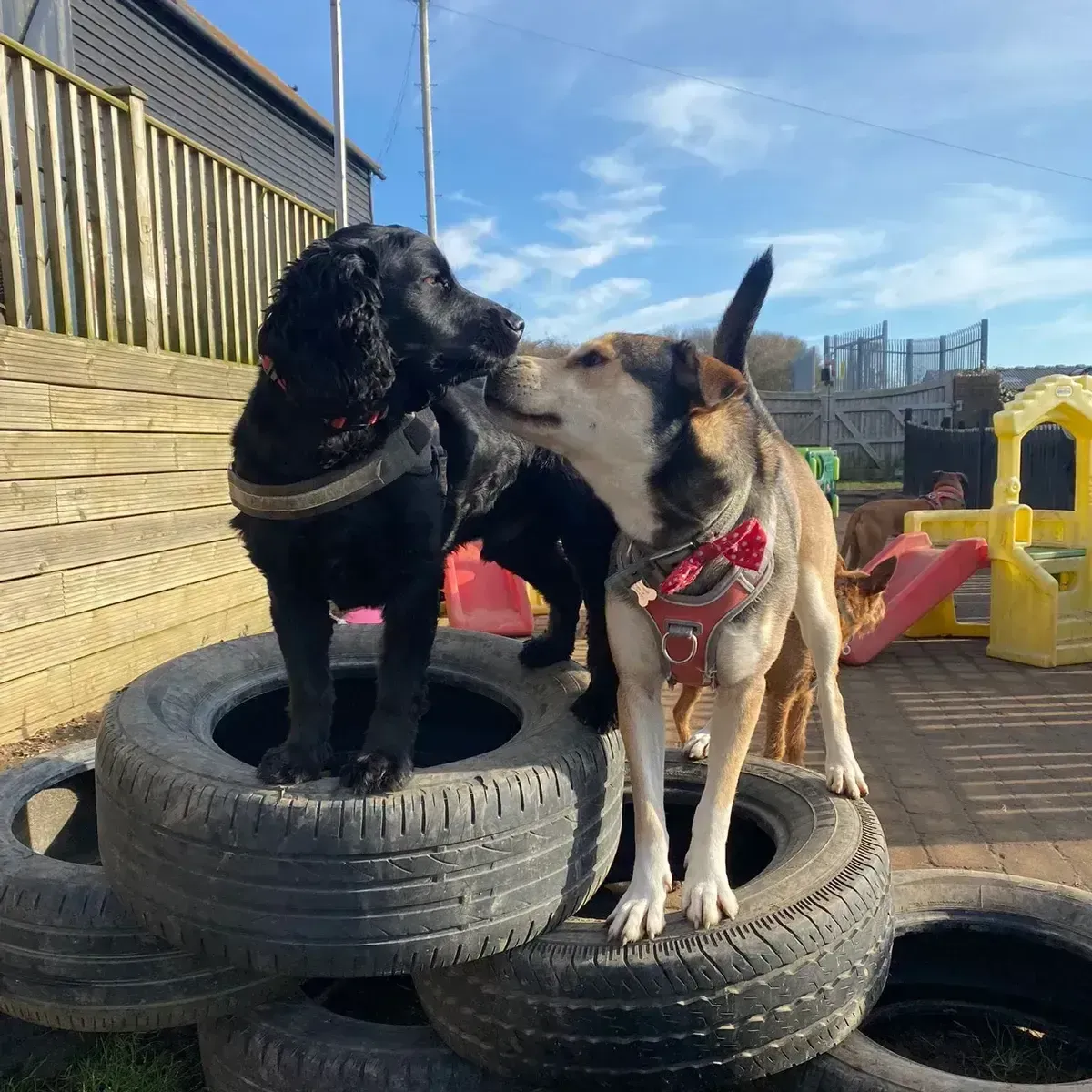
Two puppies of different breeds playing together under supervision
Calm and content on their own

Time apart, on purpose

Learning to be alone and okay

One of the kindest things you can teach a young puppy is that being apart from you is nothing to fear. Boarding with us teaches your puppy to settle without you — calmly, in good company, and long before it can turn into a problem. The earlier that lesson starts, the better it takes: some puppies join us straight from the breeder, as soon as their second vaccinations are done, and go home already knowing that time apart is safe. The longer it’s left, the bigger the risk.

It matters more than most people realise. Separation anxiety is one of the hardest things in all of dog training, and one of the biggest reasons puppies are given up. Left unchecked, it can leave owners feeling like prisoners of their own dog — unable to leave the house without a scene — and it’s rarely fair on the neighbours either. Prevention now is far kinder — because later there is no cure, only management and slow rehab.

5 STAR RATED

By Hastings Borough Council for dog care

Licensed premises · Licence No. WK/202503477

Your puppy boards on fully licensed premises. And we’ll be straight with you: once separation anxiety takes hold there is no complete cure — only long, patient rehab, with no guarantees. That is exactly why we board puppies early, while prevention still works. Archie’s story shows how hard that road can get.

Real-world socialisation
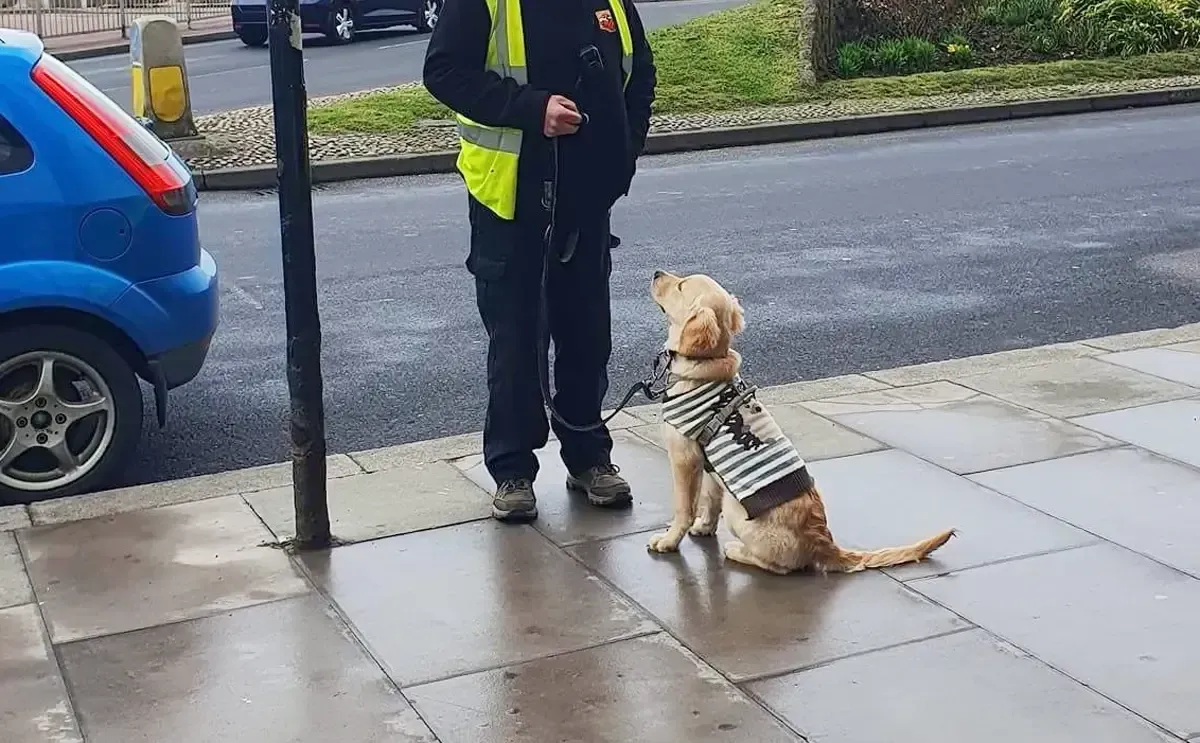
Towns, cafés, buses and busy parks — all part of the lesson

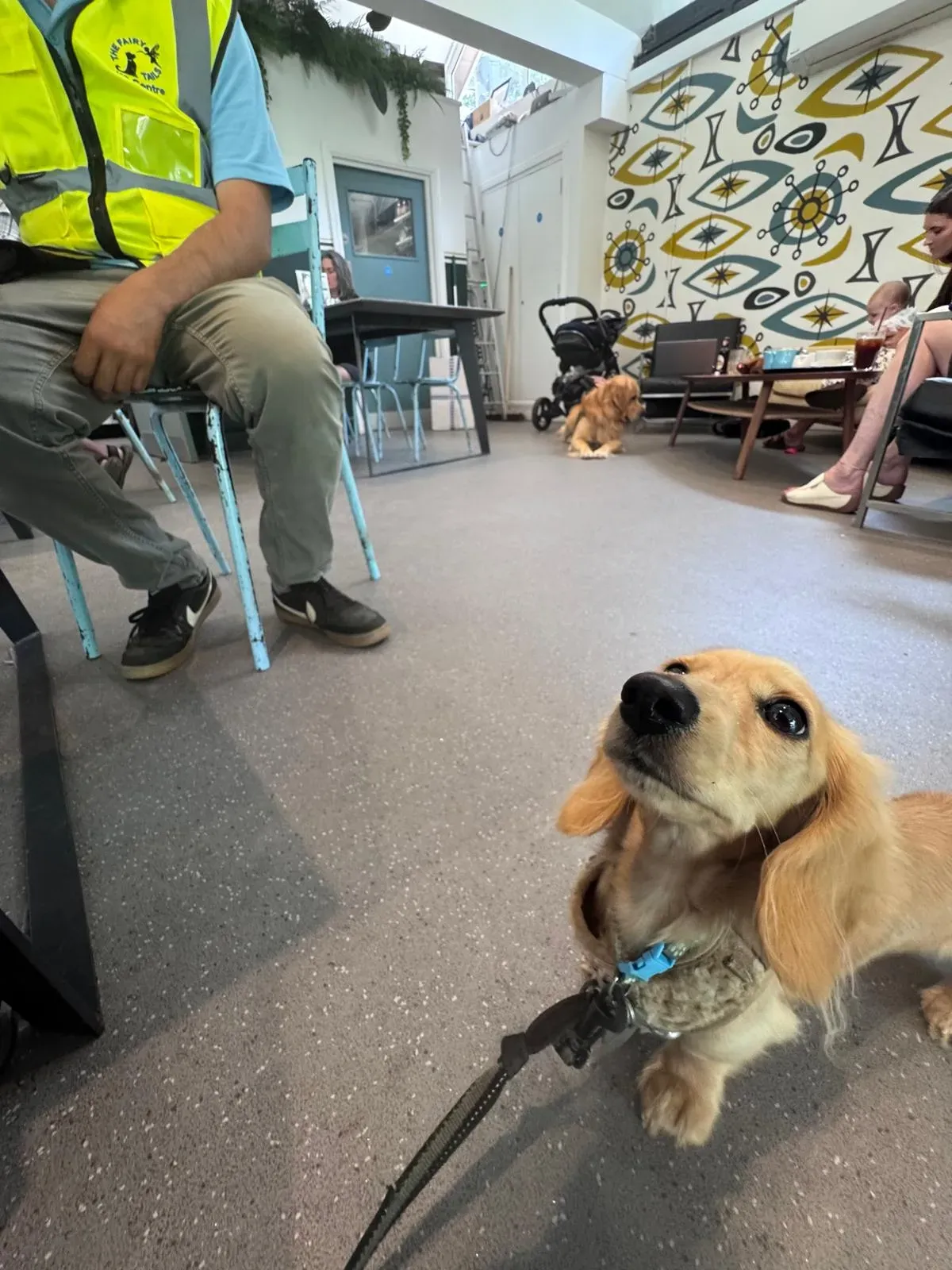
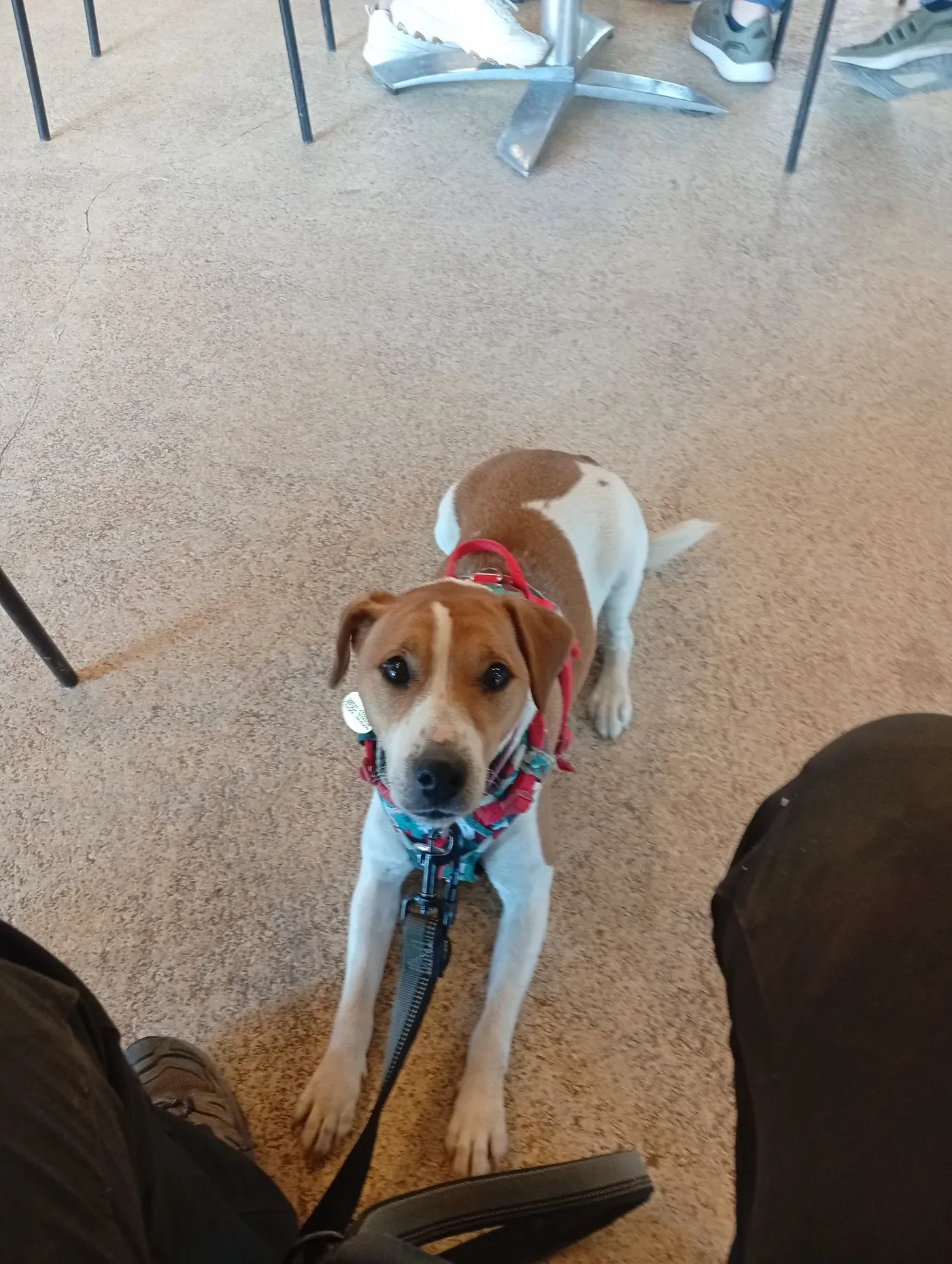
A confident adult dog is made in everyday places, not just on the training field. Our trainers take your puppy out into the real world at a pace that suits them — introducing the sights, sounds and surfaces that so many dogs never quite get used to.

A puppy being trained on a busy town pavement
In town
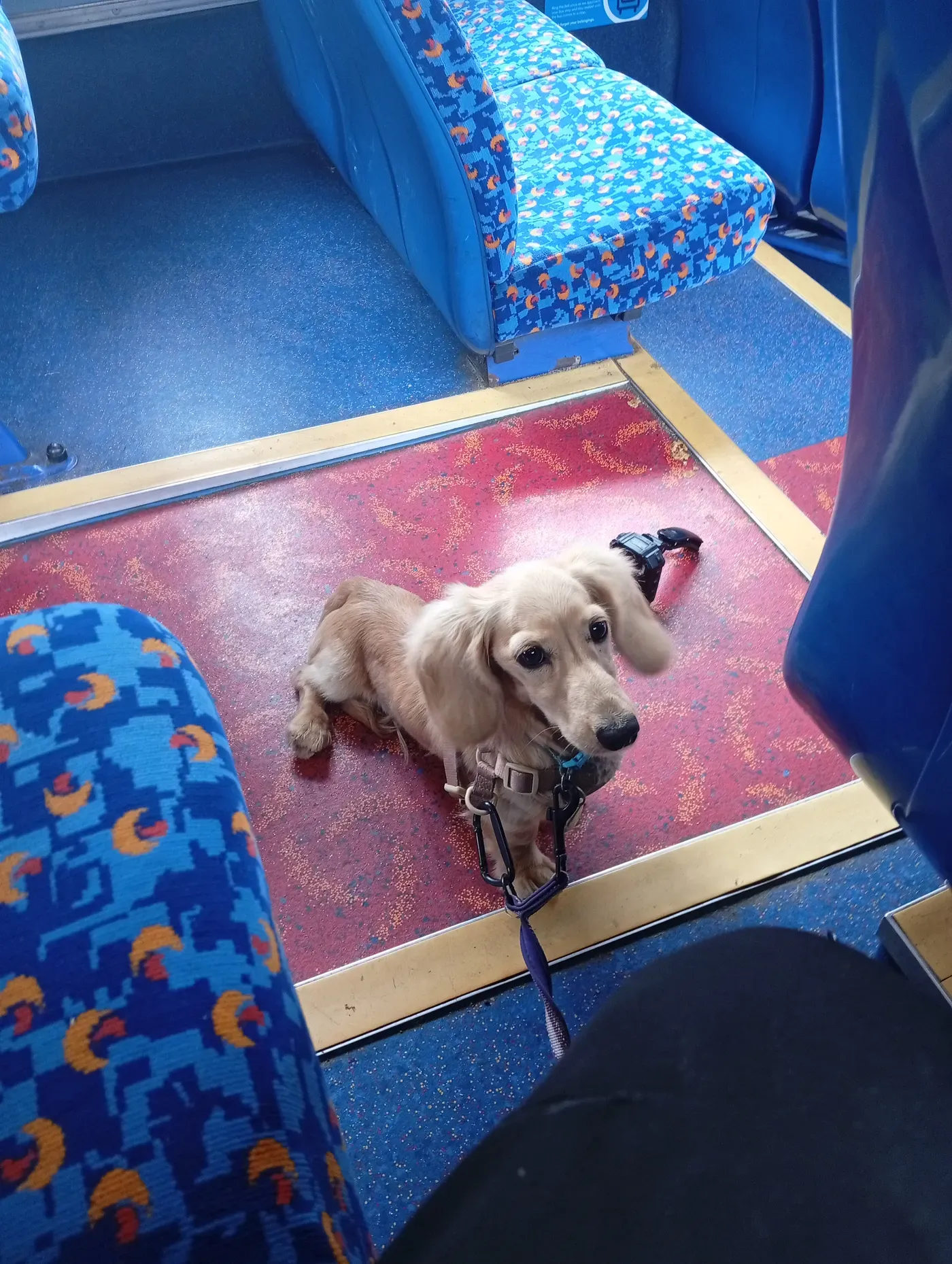
A dog sitting calmly on a bus
On public transport
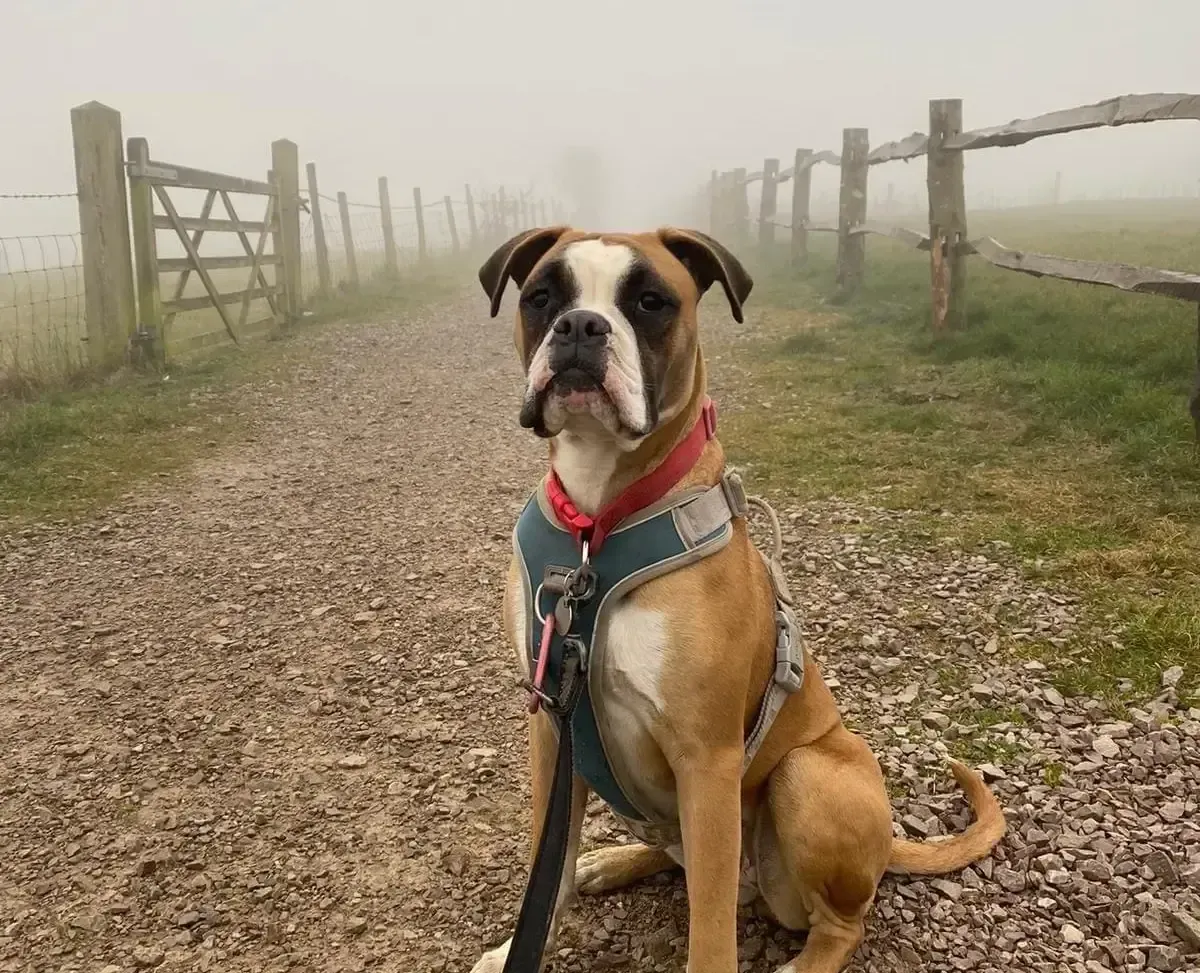
A puppy training in a busy country park
In busy parks
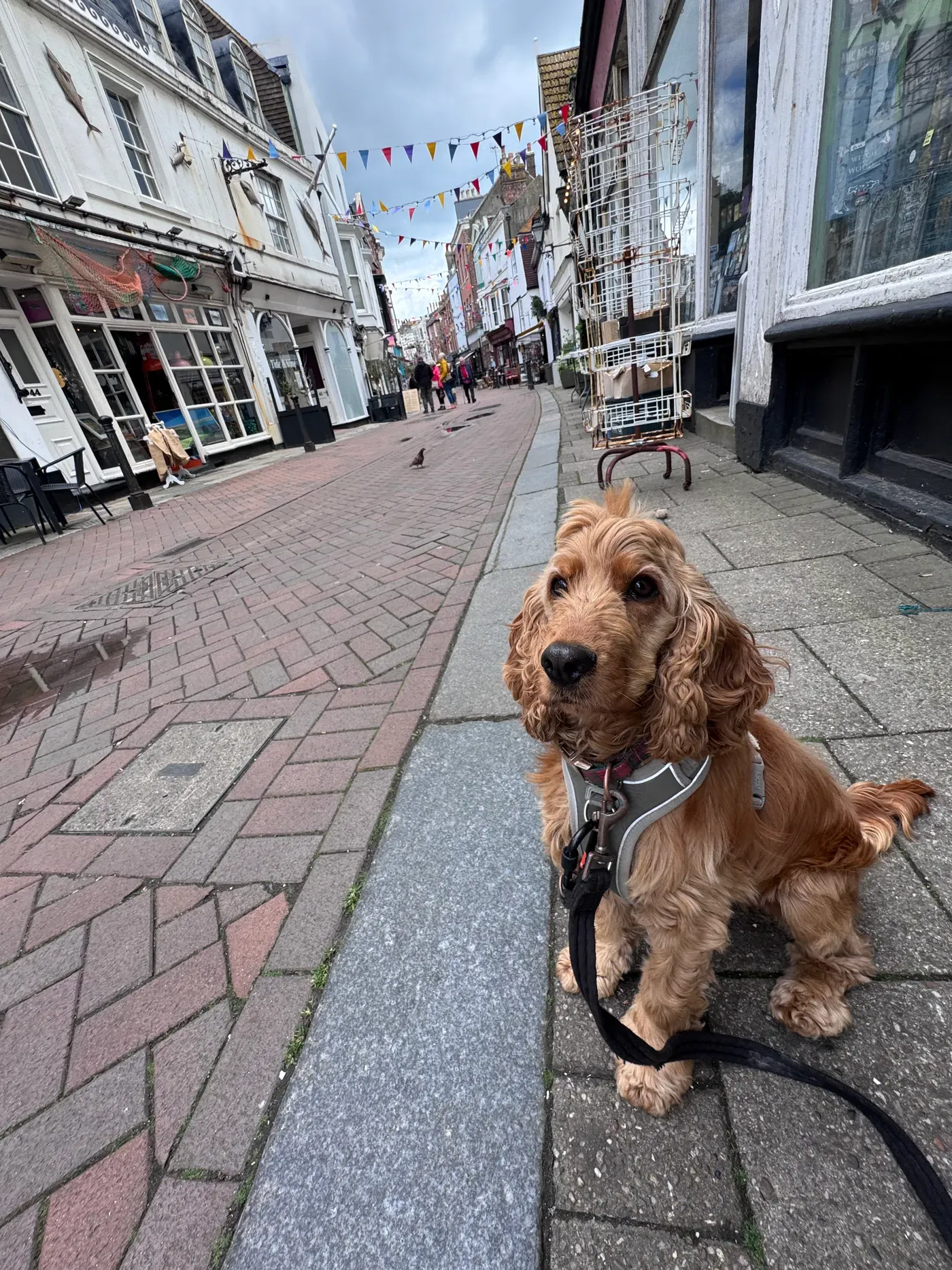
Henry, a young cocker spaniel, out on the lead in town
On the lead

What your puppy learns

  • Good loose-lead walking — no dragging, no zig-zag
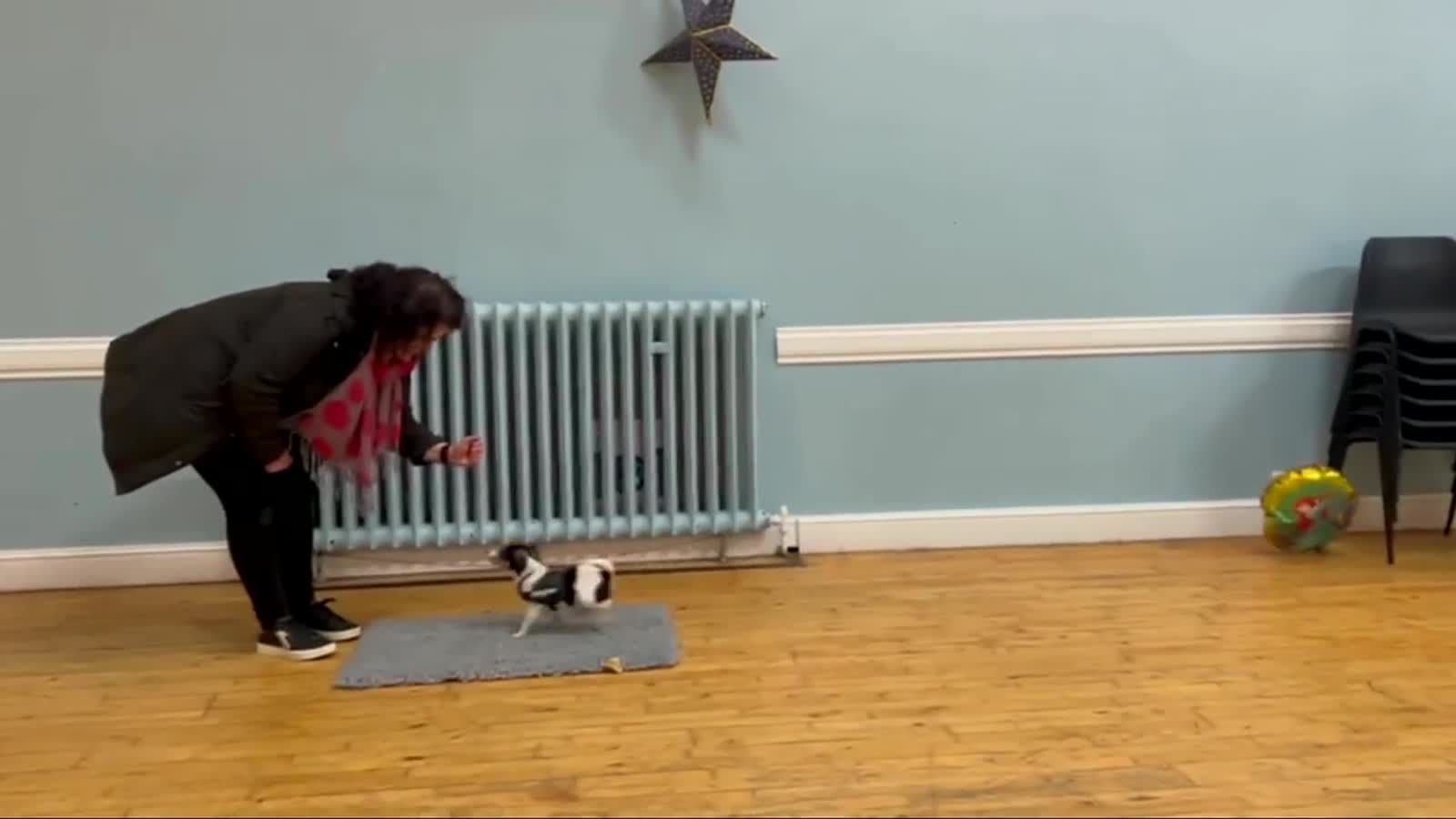
  • Coming back when called, even with distractions
  • Calm, polite manners in cafés, shops and on public transport
  • Confidence around traffic, crowds, other dogs and new surfaces
  • Appropriate play — and learning when it’s time to stop
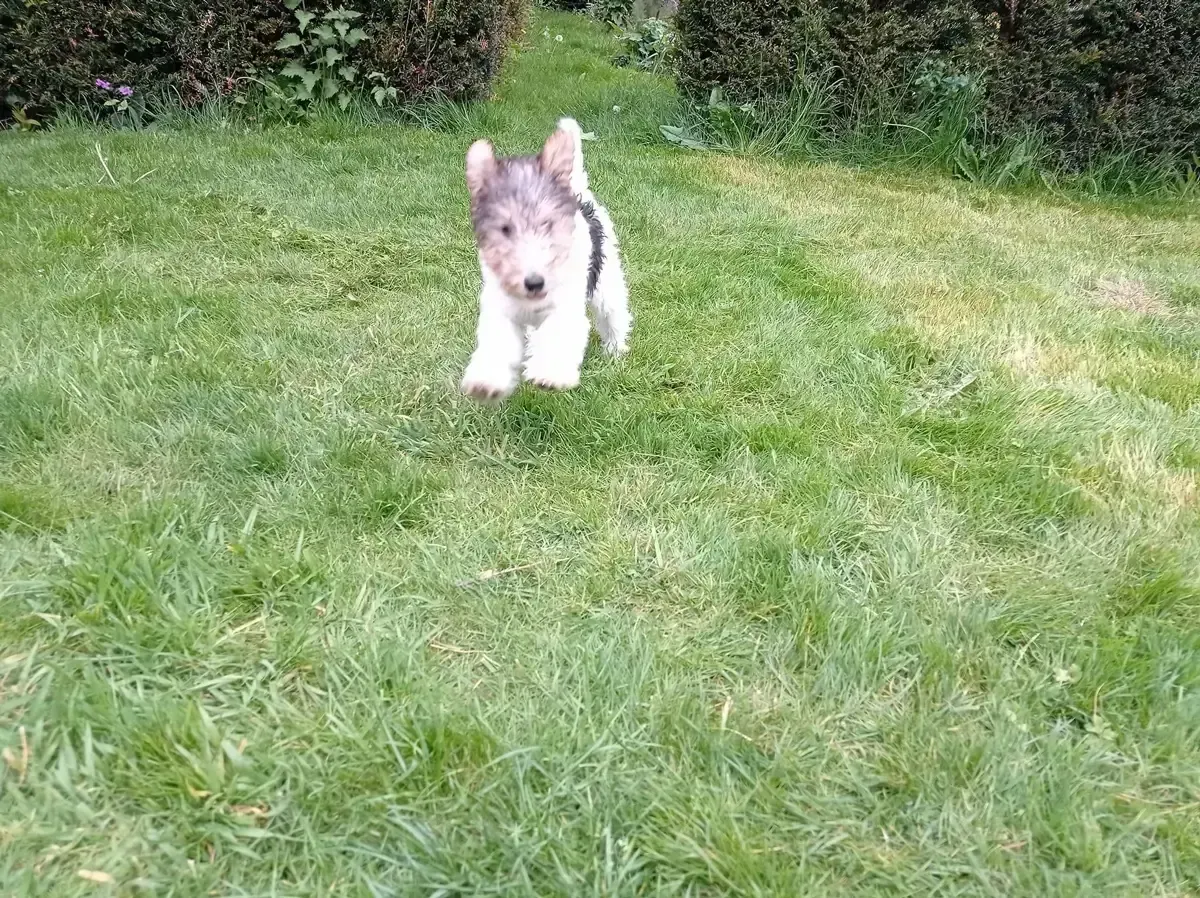
A puppy running back to its handler on a recall
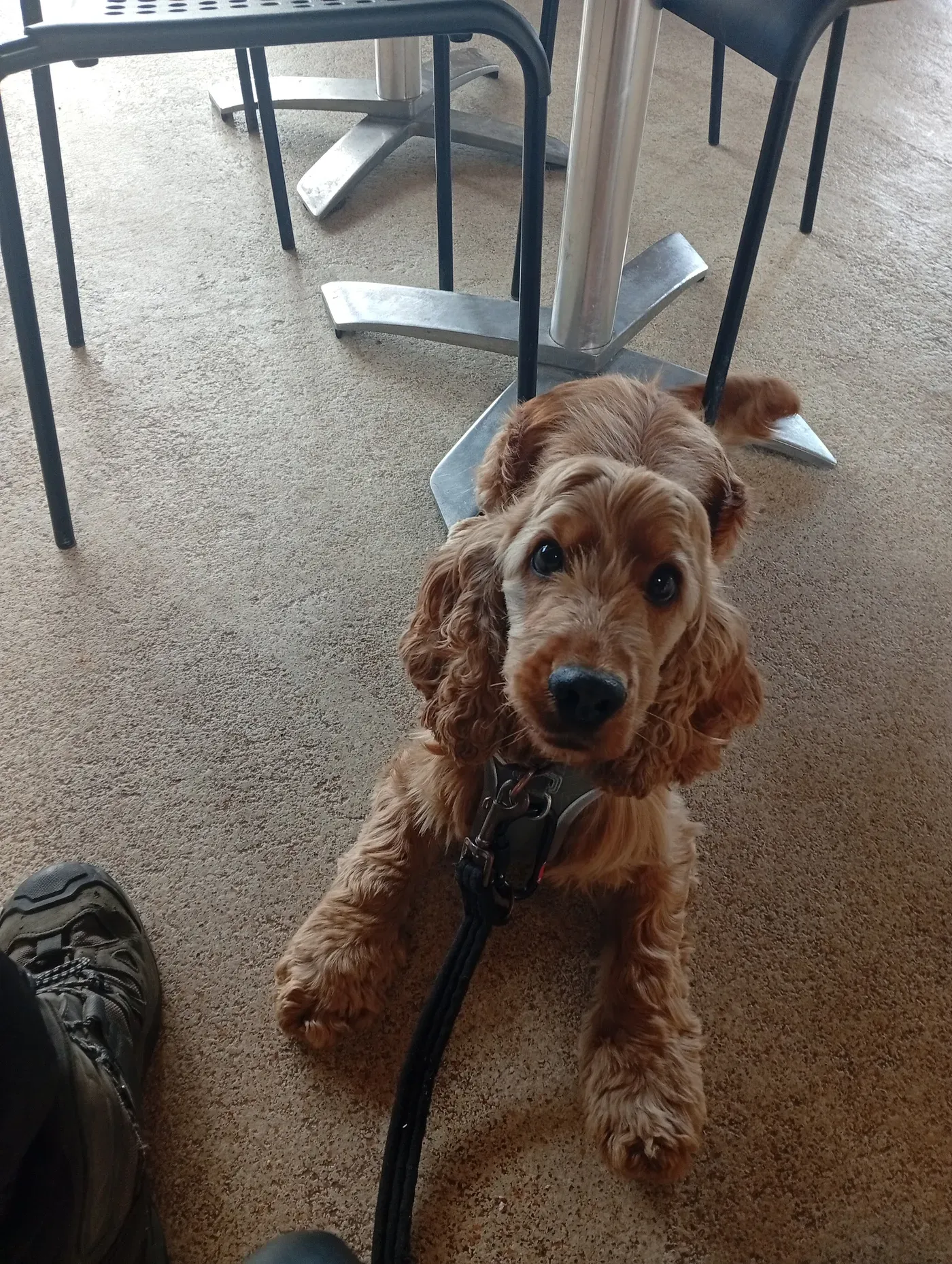
Henry, a Fairy Tails dog — settled under a café table
Henry · Settled under a café table
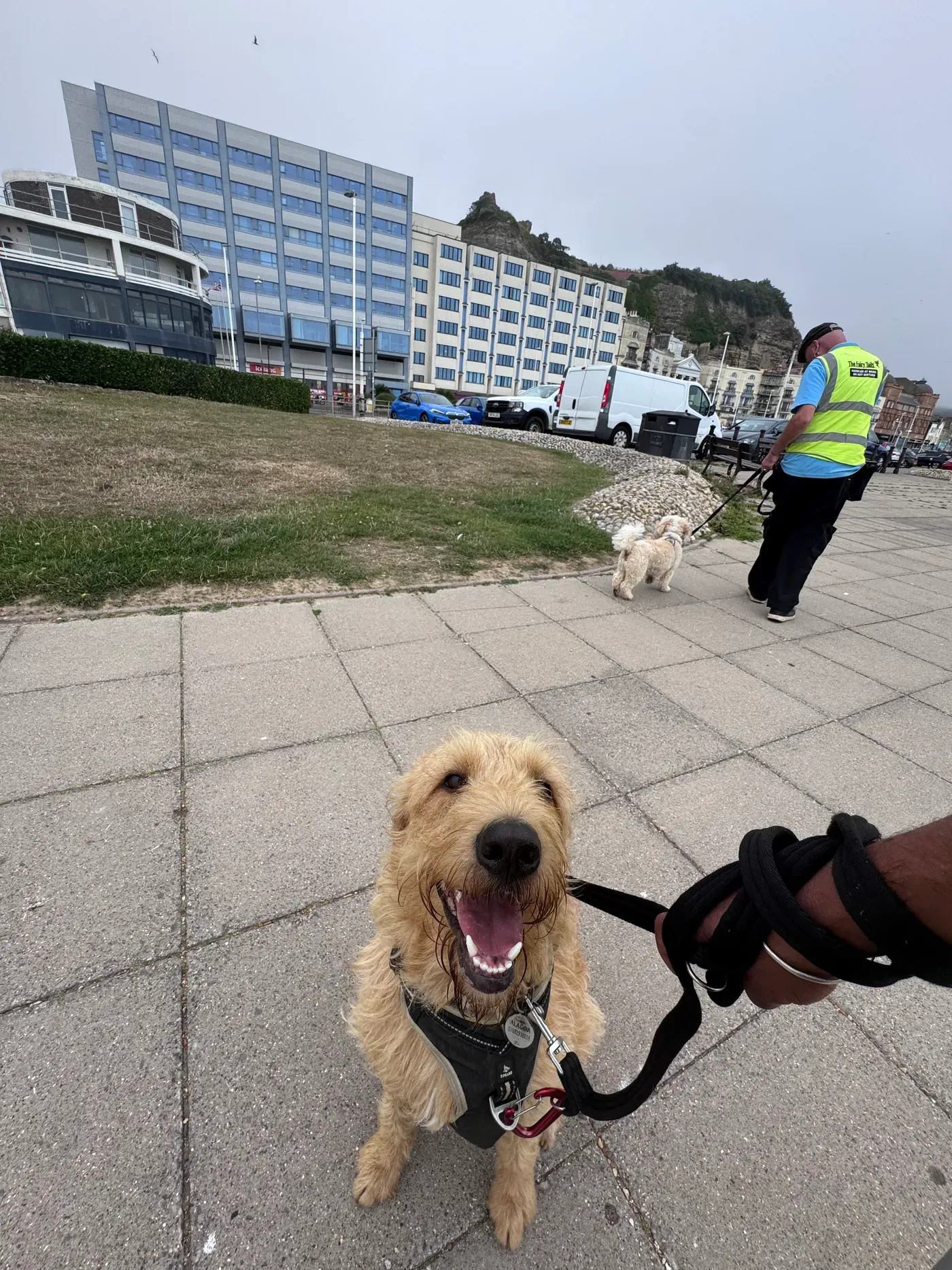
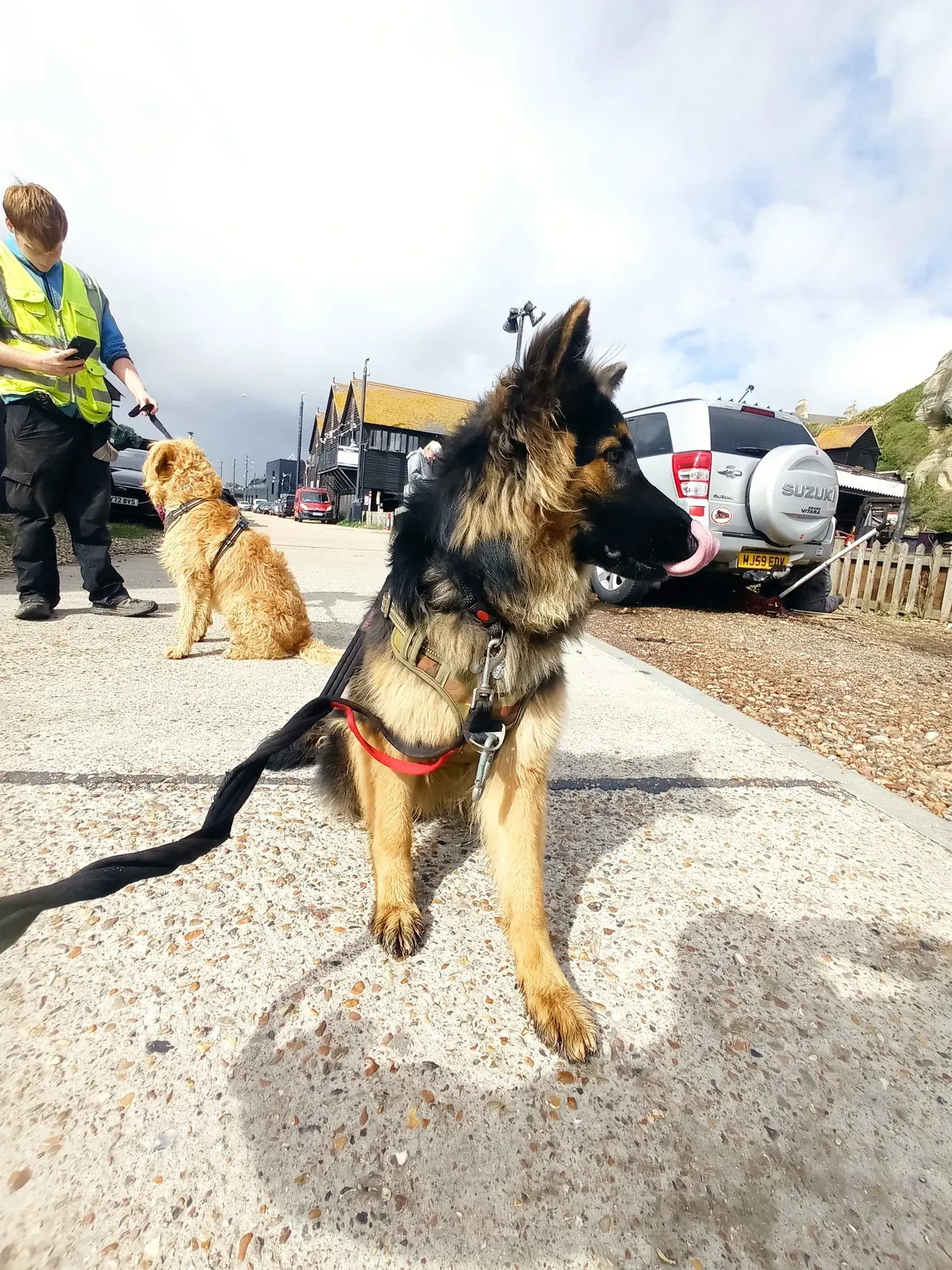
Enzo, a Fairy Tails dog — focused on the seafront
Enzo · Focused on the seafront
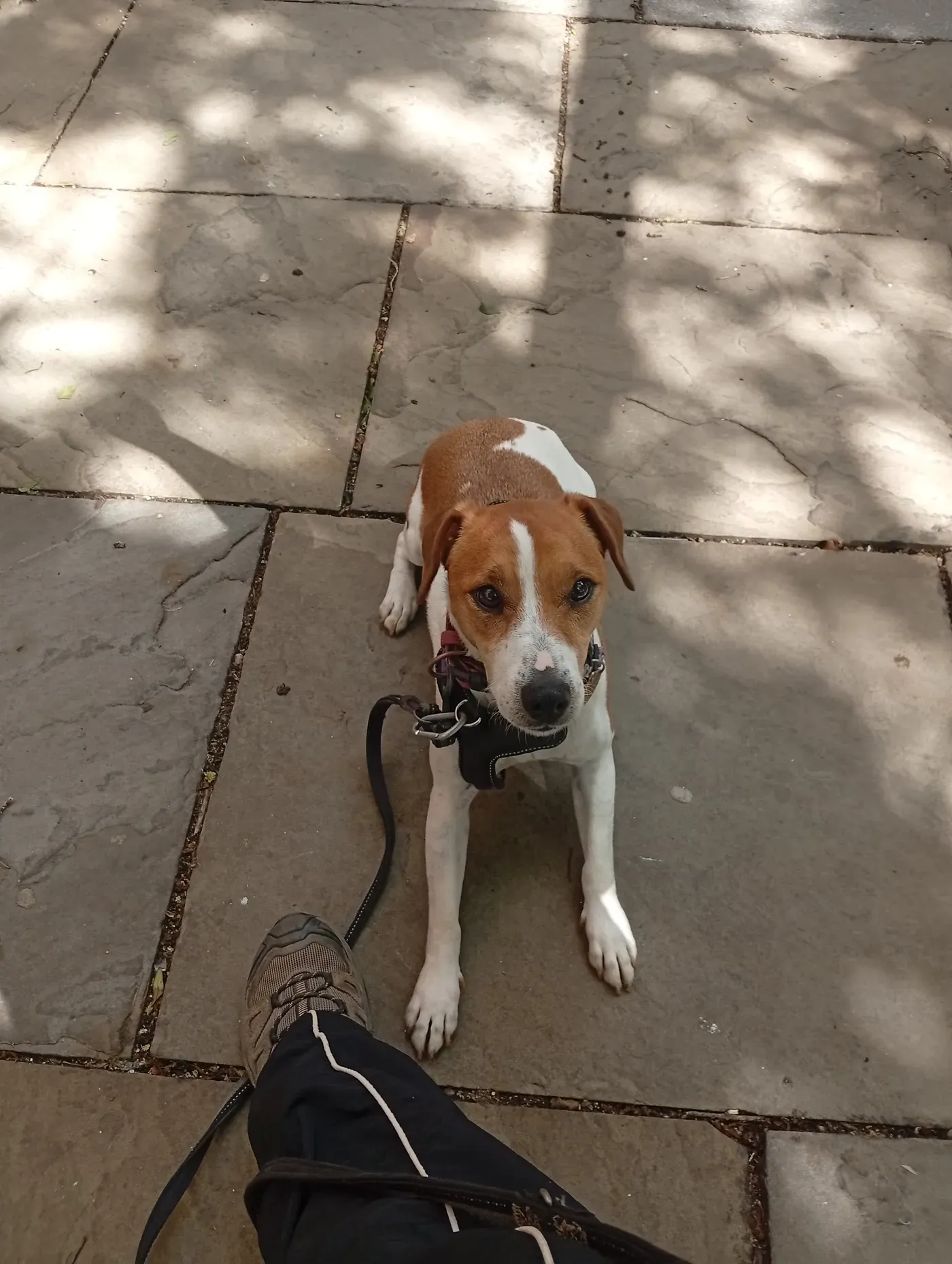
Ruby, a Fairy Tails dog — settling on a town pavement
Ruby · Settling on a town pavement
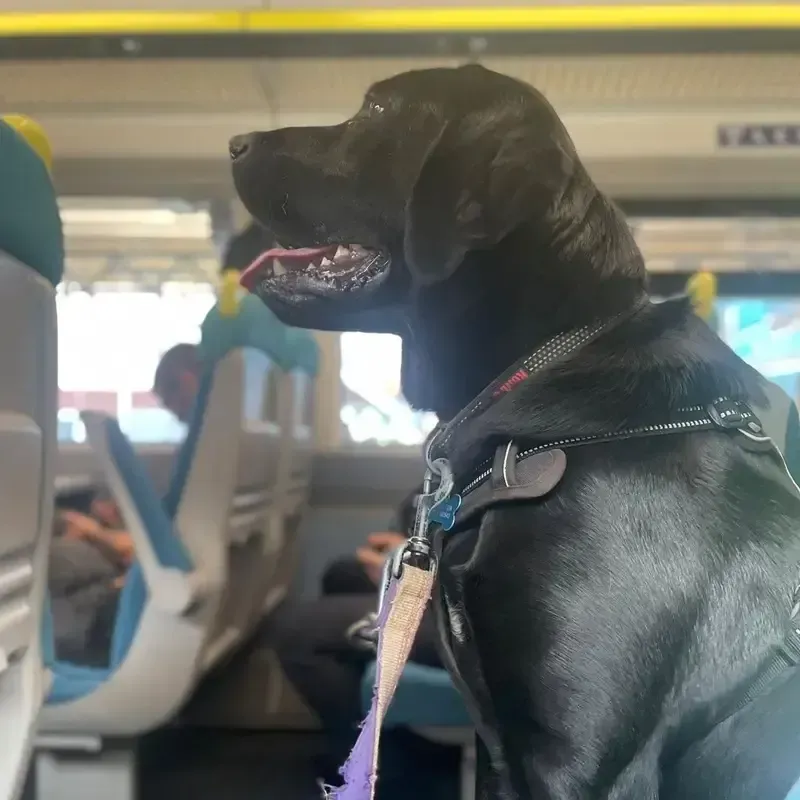
Alan, a Fairy Tails dog — calm on the bus
Alan · Calm on the bus
Frankie, a Fairy Tails dog — a steady sit at the park
Frankie · A steady sit at the park
Tilly, a Fairy Tails dog — settling by the seafront
Tilly · Settling by the seafront

The shape of the month

Four weeks, built to last a lifetime

Every puppy is different, so we shape the month around yours — but it tends to build like this.

  1. 1

    Week 1

    Settle & assess

    Your puppy moves in and finds the rhythm of the day. We get to know them and they get to know us — routine and trust come first.

  2. 2

    Week 2

    Socialise & explore

    Structured introductions ramp up, and the first outings into the quieter corners of the real world begin — gently.

  3. 3

    Week 3

    Out into the world

    Busier places — a café, a short bus ride, a livelier park — with loose-lead walking and recall growing stronger every day.

  4. 4

    Week 4

    Consolidate & hand over

    Everything comes together, and we coach you: the cues, the timing and the habits that keep it all going once your puppy is home for good.

Toilet training

How do you toilet train a puppy in four weeks?

It is the thing most new owners ask about first. Puppies don’t learn it from being told off — they learn it from a routine so predictable that going outside becomes the obvious thing to do. What makes it hard at home is rarely knowledge; it’s consistency, around work, the school run and everything else a day throws at you.

So we run one. A trainer is with your puppy right through the day, which means the right moments get praised as they happen and the early signs get read before the puddle. Puppies 12–16 weeks old are still building bladder control, so we work with their body clock rather than against it — and you’re never left guessing how it’s going, because daily reports and body-cam videos of their sessions come with the course.

Then we hand it over. Toilet training only holds if the same routine carries on at home, so before the four weeks are out we walk you through the timings, the cue word and the signs to watch for — and we’ll tell you honestly where your puppy has got to, rather than pretend every puppy is finished on the same day. Prefer to run it yourself? The hour-by-hour schedule, and how long a puppy can realistically hold it at each age, is set out in our free DIY puppy course.

The routine, every day

  • A trip outside after every nap, every meal and every burst of play
  • The same spot and the same quiet cue word, every single time
  • Praise the second they get it right, so the right choice becomes the obvious one
  • Trainers reading the early signs all day, so far fewer accidents happen at all
  • Accidents cleaned up and nothing more — a telling-off after the event teaches a puppy nothing
  • The whole routine handed over to you, so it carries straight on at home

The pay-off

A dog you can take anywhere

A confident dog

Early, expert exposure builds a puppy that meets the world calmly instead of fearing it.

Confident when left alone

A puppy taught early to settle without you grows into a dog you can leave — calmly, without the guilt, the chewed door frames, or the upset neighbours.

Genuinely well-socialised

Not just “friendly” — a puppy that reads other dogs, plays fairly and knows when to settle.

Habits that hold

The foundations are laid right the first time, so you’re not un-teaching bad habits for years.

A puppy growing in confidence during training
Alan, a young dog, staying calm and focused at a café

And you learn, too

The training only sticks if it comes home with you. In the final week we coach you through everything your puppy has learned — the cues, the timing, the little habits — so you can keep it all going. You get back a puppy that’s had the best possible start, and the know-how to build on it.

Start the conversation

What our puppy parents say

A graduate pup’s story is on its way to this spot.

The investment

One month, one clear price

This is a bespoke month built around your puppy, so we don’t take instant online bookings — we start with a chat. Send an enquiry or grab a free consult, and we’ll talk through your pup, answer your questions and plan the right start date.
  • Full days of trainer-led training and socialisation
  • Structured introductions to all breeds, shapes and sizes
  • Real-world outings — towns, cafés, transport and busy parks
  • Boarding with us, which helps head off separation anxiety
  • An end-of-month handover so the training sticks at home

Puppy School

Puppies 12–16 weeks old

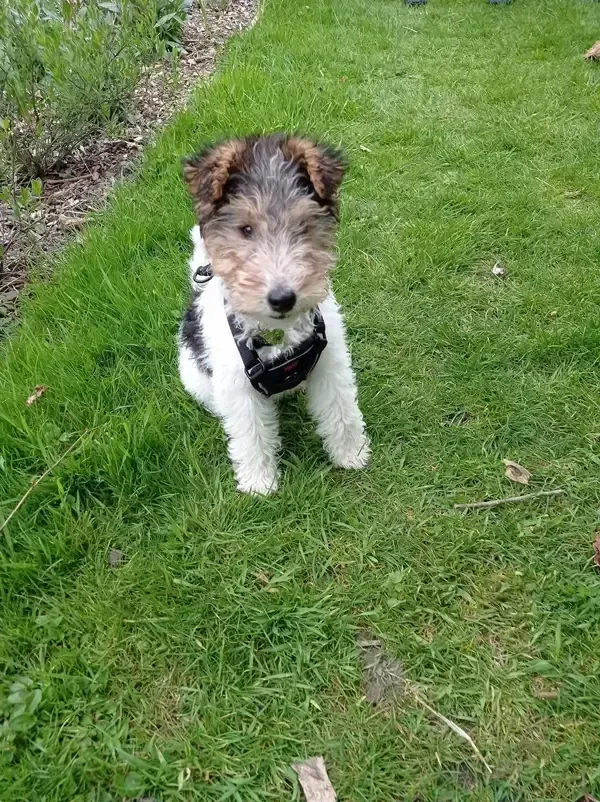
Wire fox terrier puppy in a harness sitting on the grass

£1,200 for 4 weeks

  • Toilet training
  • Obedience foundations
  • Problem prevention
  • Structured socialisation
  • Daily reports + body-cam session videos
Who it’s for — before you enquire
  • Puppies 12–16 weeks old, from their second set of vaccinations — that is the window this course is built around.
  • Vaccinations in progress or up to date — DHP, Leptospirosis and Kennel Cough (the same set our day school asks for). If your pup is mid-course, get in touch and we’ll plan the right start date.
  • A short chat or free consult first, so we can build the four weeks around your puppy — and be honest if a different route would suit them better.

Good to know

Puppy training questions

When can my puppy start?

As early as it’s safe to — from their second set of vaccinations. The early weeks are a one-time window, and the sooner we start, the less there is to un-teach later. If your puppy is mid-vaccination, book a chat and we’ll plan the right start date together.

How is this different from your puppy classes?

Puppy Training Classes are a weekly evening course where we teach you and you put in the work at home — brilliant value at £175. This is full-day, trainer-led training: your puppy spends whole days with us and we do the heavy lifting. Plenty of owners do both.

How is it different from Board & Train?

Board & Train is our residential range — it takes both older dogs and puppies, in different lengths and with different entry criteria depending on the dog. Puppy school is the four-week puppy course within that range: the same boarding, built specifically around structured socialisation, real-world outings and the habits that are easiest to lay down while your puppy is still young. If you are weighing them up, have a chat with us — we would rather point you at the right one than sell you this one.

Will boarding upset my puppy?

No — that’s rather the point. Nights with us are gentle, gradual and in good company, and they teach your puppy that being apart from you is nothing to fear. Preventing separation anxiety now is far kinder than attempting a fix later — once it takes hold there is no complete cure, only slow rehab. If you are local to Hastings and would rather ease into it, you can keep the nights flexible — see “Local to Hastings” above.

Is my puppy too young, or too nervous?

The earlier the better, and nervous pups often benefit most — we simply pace everything to suit them. If we honestly feel a different route would be kinder, we’ll say so.

What happens after the four weeks?

We hand the training over to you so it sticks, and many puppies carry on with day-school days to keep their socialisation and confidence topped up. We’ll talk you through the options.

A puppy tilting its head curiously

More puppy pathways

Not quite the right fit? There’s a route for every pup

Puppy Training Classes

Puppies under 6 months

£175 per course

The lighter, parent-led option: a weekly evening course where we coach you and you put in the work at home. Includes three day-school intro sessions.

Puppy Training Classes

Do-it-yourself puppy course

Free · at your own pace

On a budget, or a hands-on type? Our free week-by-week DIY puppy course covers skills, confidence, socialisation and toilet training — written by the same trainers.

Start the free course

Let’s talk

Tell us about your puppy

Send us a few details and we’ll be in touch to talk through the month — or answer anything you’d like to know first.

What would you like help with? (tick any)

Prefer to talk first? Call us on 01424 300668 or WhatsApp us on the same number .

This page was last reviewed and updated .